

This war will not last forever, and thanks to Trump’s Taco, the market has left some clues on what could come next. A review of the web app dashboards can help us identify the next trades and which horse will come out of the gate first once the news fatigue settles in.
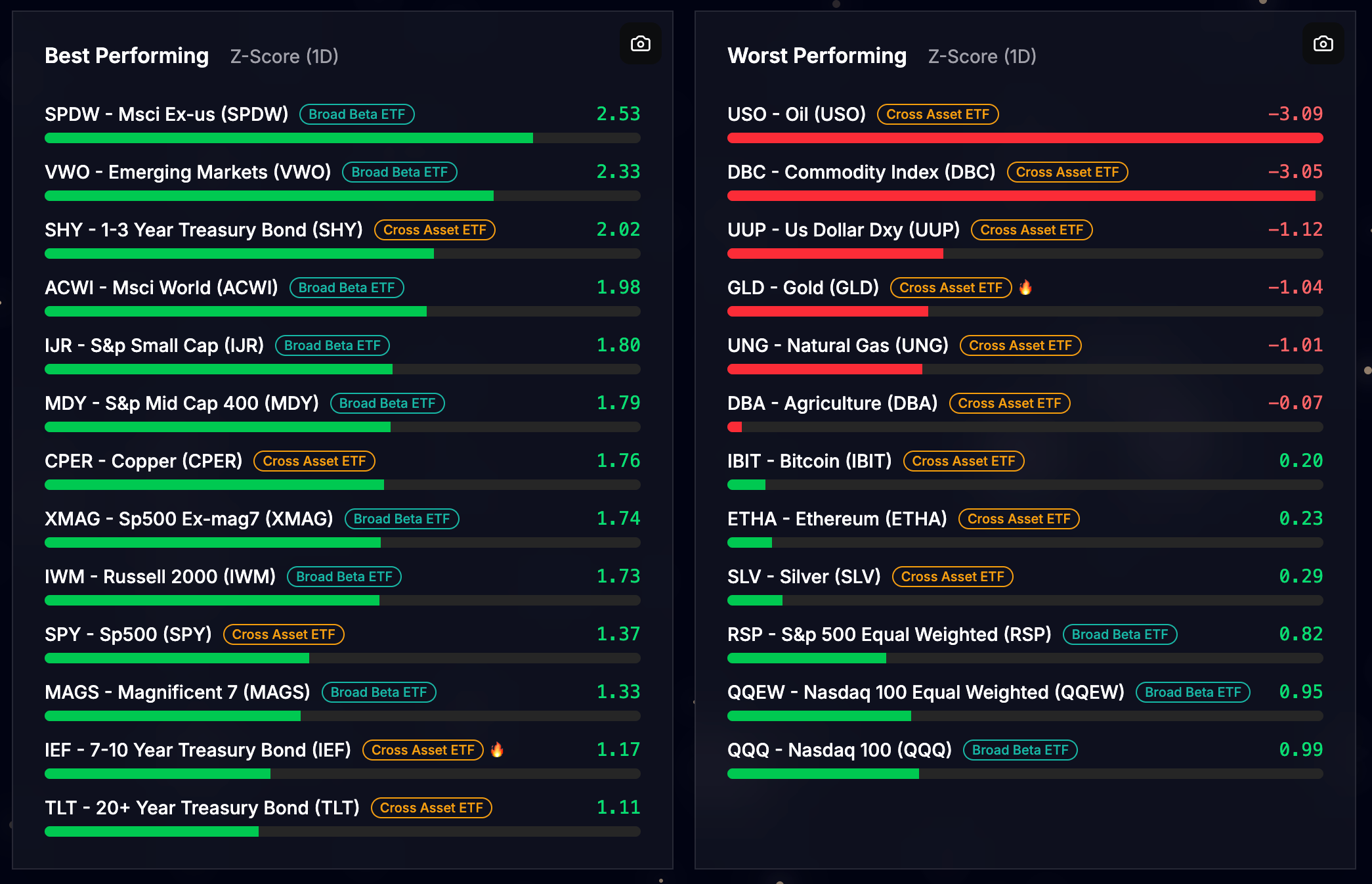
Looking at yesterday’s 1-day Z-scores for the large benchmark ETFs, one trend is clear: ex-US markets will benefit the most from the end of the Iran war. This is not a surprise, since the closure of the Strait of Hormuz has a direct impact on energy-importing nations, which are mostly in emerging markets. On the other side of the spectrum, the United States is the largest exporter of oil.
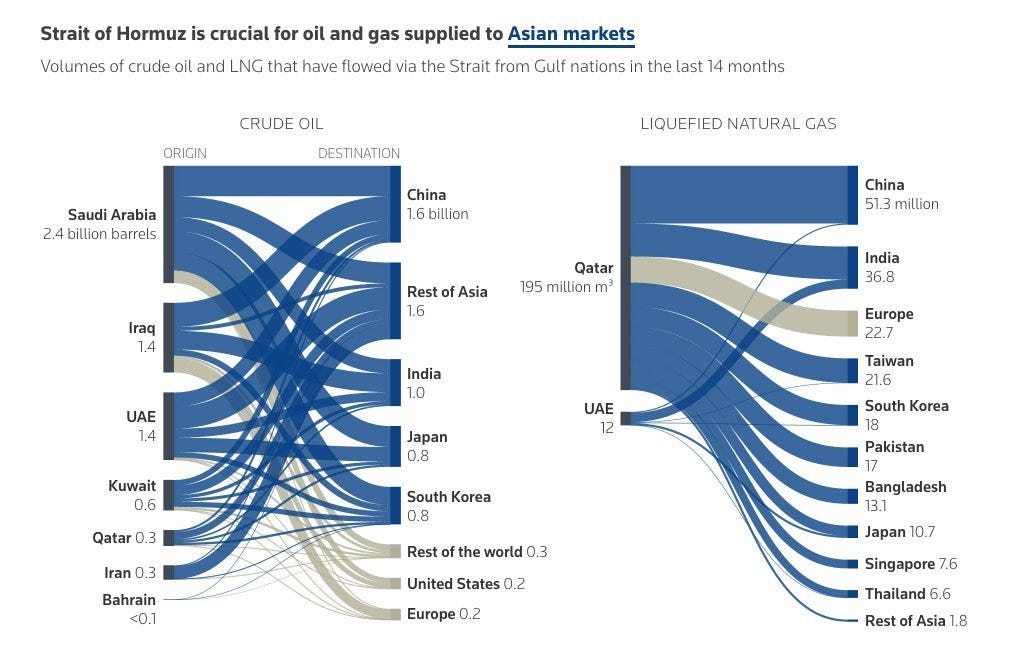
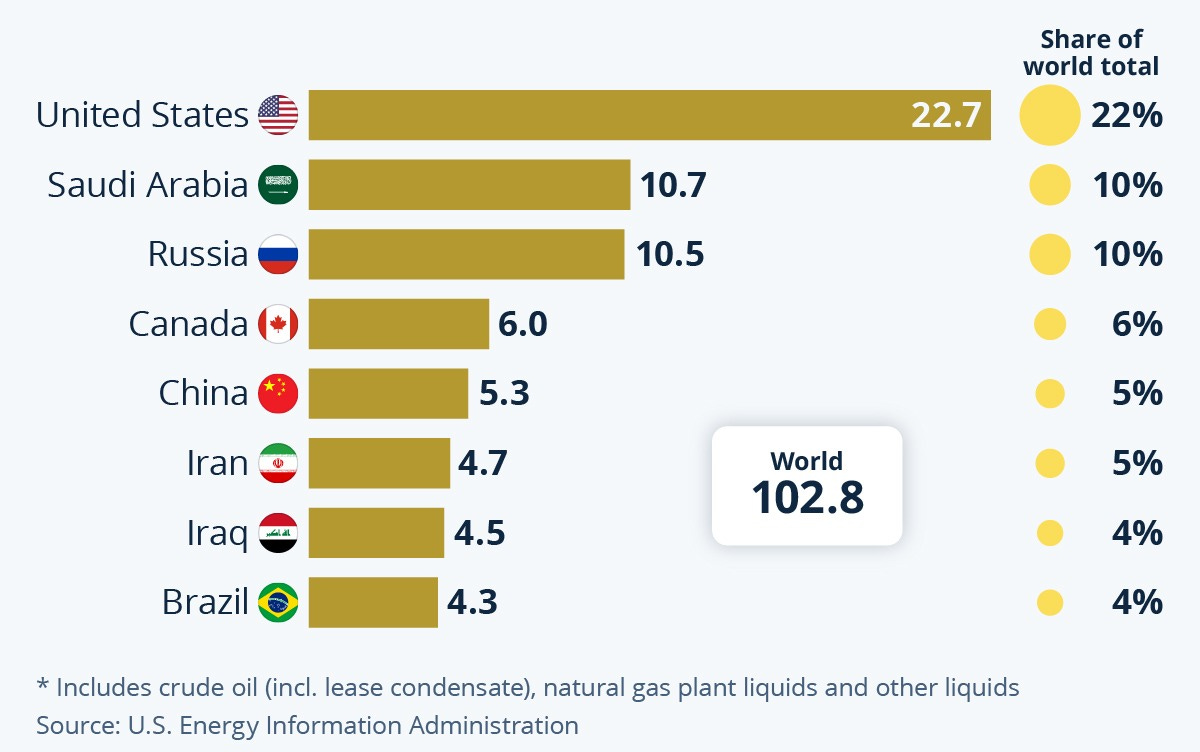
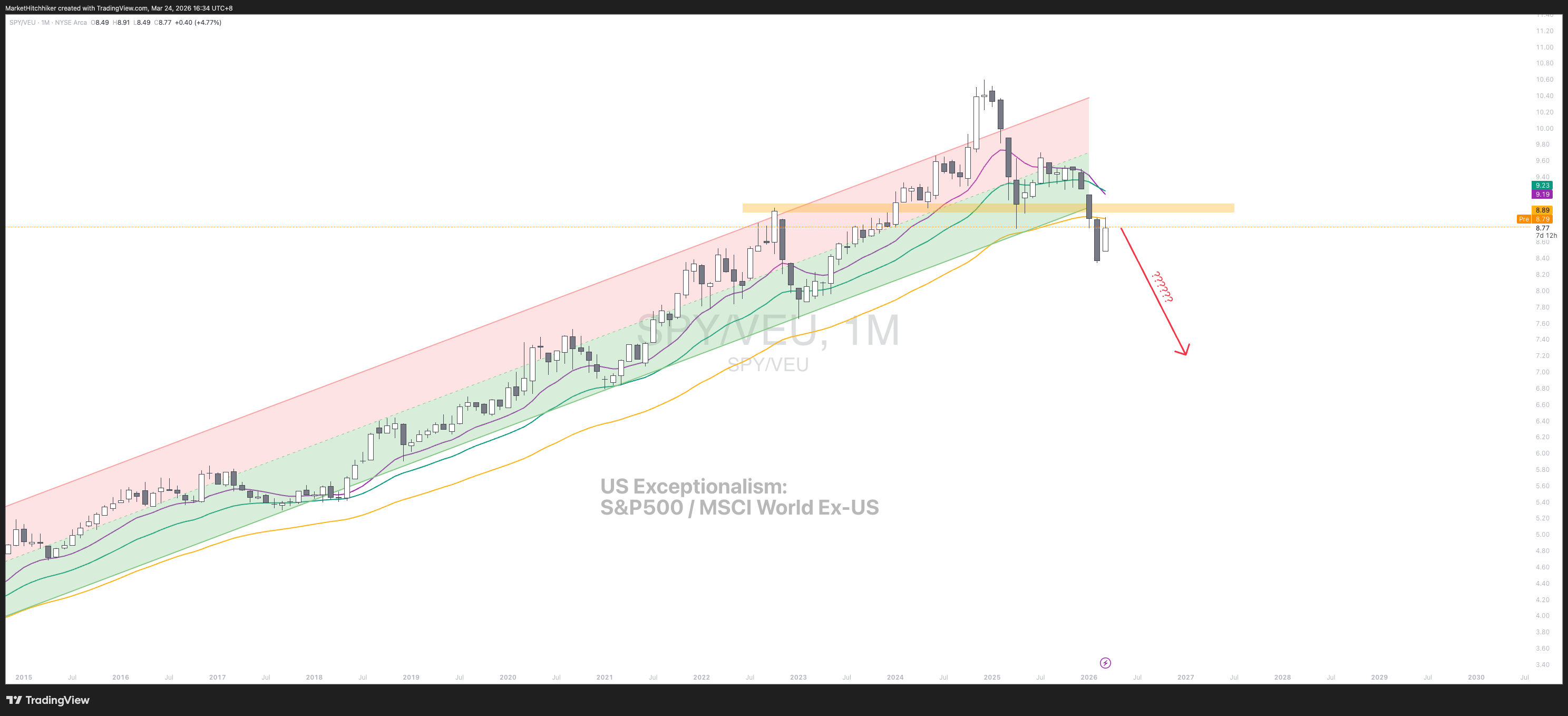
Naturally, once the strait is open, one should expect a resumption of the trend toward diversification away from the US stock market.
A few caveats:
The Strait of Hormuz has never been formally closed. The increase in insurance premiums for VLCCs is the main factor. But once Iran agrees (willingly or not) to let any vessel cross the strait (not only friendly boats), the market should quickly price in a drop in insurance premiums.
The market will initially rip higher once vessels are back to crossing the strait without any trouble. However, the market will be worried about an inflation wave caused by higher oil prices (most likely stuck above 80$), higher fertilizer prices, and disrupted supply chains. If the US dollar enters a new bullish phase on the back of rate hikes, you can kiss goodbye to your dear emerging-market stocks.
